Concrete with 70% less carbon: The Ecocem ACT Demonstrator Project

Ecocem ACT delivers the same reliable performance as standard concrete, while cutting CO₂ by up to 70%.

ACT is Ecocem’s new low-carbon cement technology that cuts CO₂ by up to 70%. This is its first major demonstrator project, delivered on a real construction site at Wembley Park in London and led by Sisk, one of the world’s biggest construction companies.

Sisk have published a Technical Report about the project that explains what was built, how ACT performed, and what it means for the future of construction. Download the report here to see the full data, testing approach, and outcomes.

The project was funded by Innovate UK and brought together industry experts from Ecocem, Sisk, Ramboll, Loughborough University, Creagh Concrete, Capital Concrete, BRE Group and Quintain to build the first structure of its kind ever made with ACT.

Testing showed that ACT reduced the concrete’s carbon footprint by 70% while meeting performance requirements across ready-mix, precast concrete and structural elements including slabs, walls, columns, and stairs floors, walls, stairs, columns, and precast elements.

If you want the full picture, including the test results and lessons learned, the full report is available here. 

"ACT behaves like concrete, it looks like concrete and feels like concrete. So when our contractors have worked with it, it is the same product essentially. The only thing different is there is less carbon in it."

Ross Cullen - Chief Engineer at Sisk

Meet the Experts that led the project

This project was made possible by a team of specialists from across the construction and research sectors, each bringing deep experience in engineering, materials science, testing and onsite delivery.

Their combined knowledge ensured the project was carried out to the highest standards, helping prove how concrete with 70% less carbon can be delivered in real‑world conditions.
Maria Estrada
Project Manager at Sisk
John Reddy
Director of Concrete Technology Deployment at Ecocem and President of Institute of Concrete Technology
Tom Dillion
Structural Engineer at Ramboll
Professor Chris Goodier
Professor of Construction Engineering and Materials at Loughborough University.
Umer Jadoon
Doctoral Researcher at Loughborough University
Christopher Yapp
Senior Consultant at BRE
Jack Sindhu
Technical Director at Capital Concrete
William Doherty
Technical Director at Creagh Concrete
Previous Slide
Next Slide

And the organisations that made it happen

Supported by Innovate UK funding.

This collaboration highlights how partnership is essential to decarbonising construction. No single organisation can address the sector’s carbon challenge alone; progress depends on shared knowledge, real‑world testing, and industry‑wide cooperation.

By working together, the consortium demonstrated not just that Ecocem ACT can perform at scale, but also that collaborative approaches accelerate innovation.

Previous Slide
Next Slide

"From our perspective there hasn't really been any difference from using conventional concrete. The key thing for us is strength, and the strength is consistent or better than conventional Portland cement based concrete."

Tom Dillon - Structural Engineer at Ramboll
Play Icon
View a timelapse of the project

“ACT is probably the technology that we would be most keen to adapt out of all the things we’ve done over the years, to say the least. Because it works. We believe it works in precast."

William Doherty - Director, Creagh Concrete
ACT's performance and durability has been independently verified

Independent verification was central to the demonstrator’s success. Throughout the project, ACT concrete was rigorously tested by Loughborough University and BRE Group, who assessed its strength, durability, and environmental performance under real‑world construction conditions. Life-cycle analysis was carried out by SISK, you can view the results here

Their evaluations confirmed that ACT consistently met the structural requirements for every application tested including slabs, walls, columns, stairs, and both ready‑mix and precast elements. These findings provide assurance that ACT can perform reliably in everyday construction. 

Beyond structural performance, the independent testing also explored the broader environmental credentials of ACT. Through detailed environmental and life‑cycle assessments, the consortium demonstrated that ACT provides a significant reduction in embodied carbon without compromising safety or durability.

Together, these external validations help build confidence across the industry, showing that low‑carbon concrete is not only technically feasible but ready for practical adoption at scale.

"What we have been really impressed by this project is its scalability, so how quickly we think the product can come to market and really make a meaningful impact in terms of decarbonising the concrete industry."

Dr Stafford Lloyd - Innovation Lead: Clean Growth Strategy at Innovate UK
Play Icon
Hear from Ecocem Founder and CEO, Donal O'Riain, when he visited the ACT Wembley Park Demonstrator site

Our first ACT production line will open in Dunkirk in 2026, producing 300,000 tonnes per annum.

We're also expanding capacity across all of our locations to get ready for ACT.

The future of cement, available today.

Join us in building a more sustainable future
We’ve already established ACT partnerships with industry leaders such as Bouygues Construction, Titan and Cemex.

If you're interested in collaborating, get in touch.

Take a look back at some of our most iconic projects

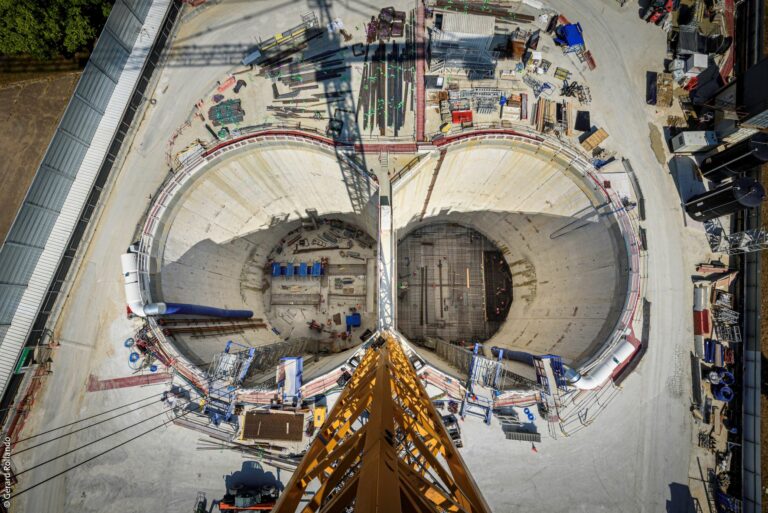
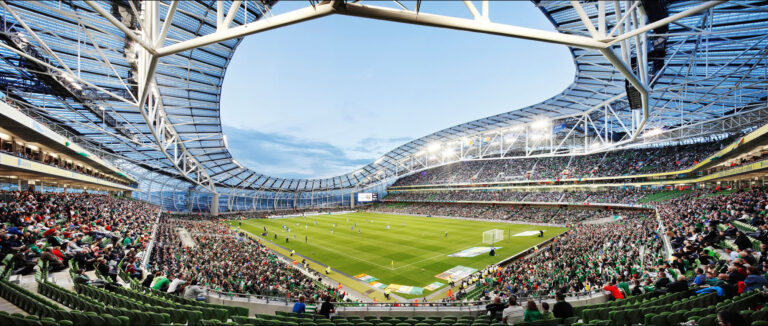
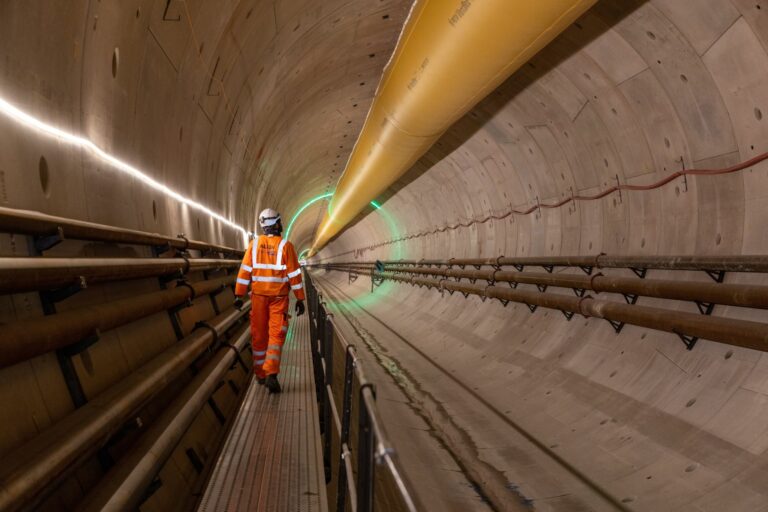
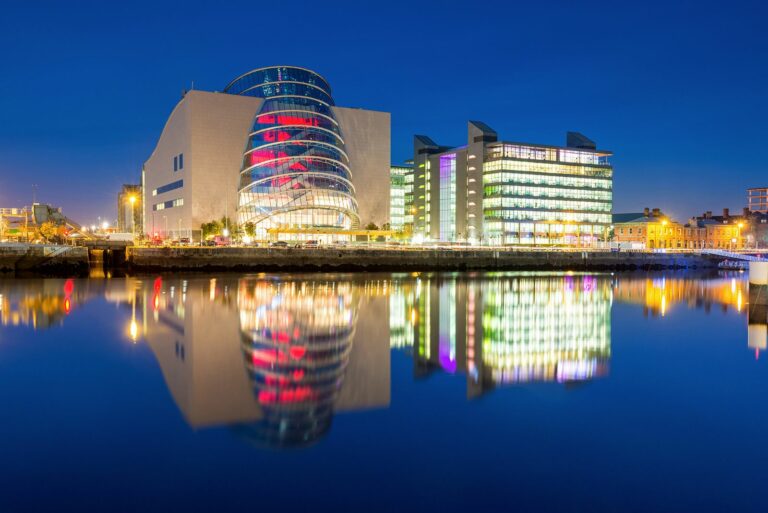
Ecocem’s technology has supported major infrastructure projects including Le Grand Paris Express, Dublin’s Aviva Stadium, the Paris 2024 Olympics, and the UK’s HS2 Railway.
Previous Slide
Next Slide